Sound is notoriously difficult to contain. It leaks, seeps, diffuses, and permeates. The sound object (also known as sound sculpture or sonic sculpture) emerged in experimental art in the mid-twentieth century, and is an offshoot of both audio art and sculpture that actively engages with this reality of sound, activated either through analog or technological means.
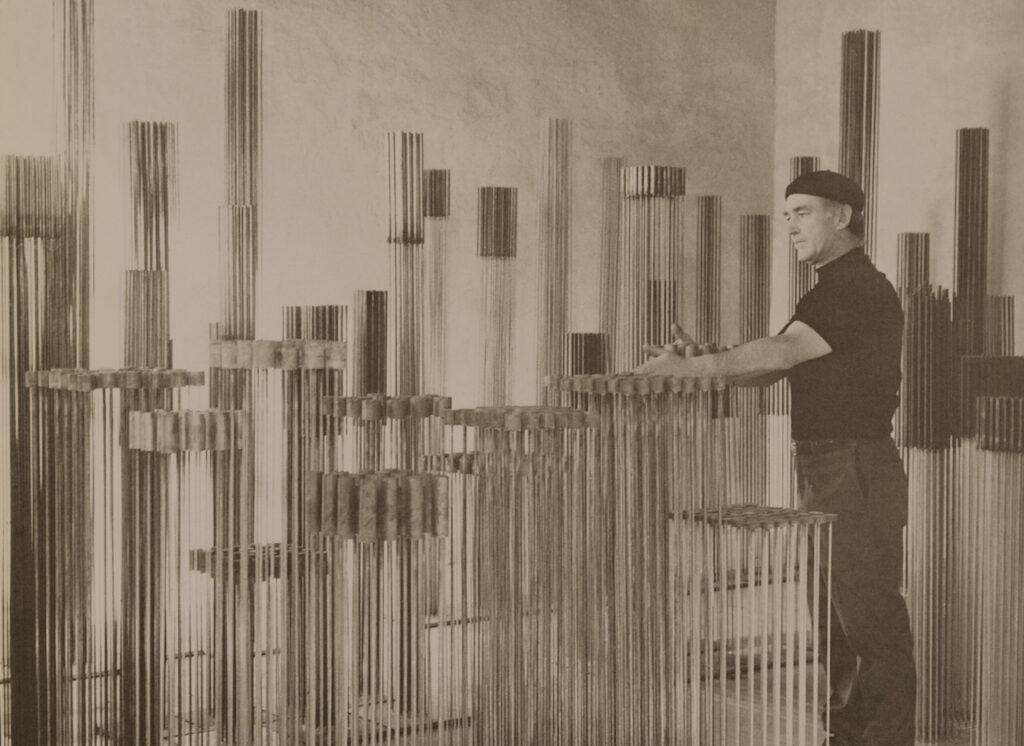
Using any combination of materials you like, you will create a Sound Object that functions in one of the following ways:
1) as an instrument that produces its own sound;
2) as a modifier or amplifier of sound; or
3) as a vessel through which sound files are played through a speaker.
Your Sound Object will be rooted in a conceptual framework of your choosing. What is it about sound that you find most fascinating? How might you turn that fascinating concept into a physical art piece?
Critiques will take place over two days: Oct 20th and 22nd. An artist statement, process sketches/notes/photos, and documentation of the piece are due on the blog by the midnight on Wednesday October 22nd. When documenting your piece, consider putting it in the environment you’d ideally like for it to be experienced (gallery plinth, on the floor, outside, etc). You will need to include a video of your Sound Object being activated as part of your documentation.
It might be tempting to drop top dollar on fancy tech or really nice maple plywood for this project, but you do not have to spend a lot of money on materials! Look for tech you can rent or borrow, stuff you already have, scrap materials (we love a dumpster!), and materials you can take apart/reuse.
NON-ART EXAMPLES:
a) “instruments”
https://en.wikipedia.org/wiki/Ugly_stick
https://en.wikipedia.org/wiki/Jingle_dress
https://en.wikipedia.org/wiki/Wind_chime
b) “modifiers/amplifiers”
https://en.wikipedia.org/wiki/Megaphone
https://www.instructables.com/Wooden-Train-Whistle/
c) “vessels”
https://en.wikipedia.org/wiki/Tickle_Me_Elmo
https://www.hallmark.com/musical-greeting-cards/
GRADING CRITERIA
Concept (5 points): The conceptual framework the student has chosen has been carefully researched and planned. The student references artist(s) reviewed in class and/or situates their piece in relation to personal/experimental themes. If touching upon traditional or cultural knowledge that is not their own, the student demonstrates respectful engagement. The overall concept demonstrates critical, creative, and technical thinking.
Execution (10 points): Evidence of time invested in the creation of this artwork; high level of ambition. The student has demonstrated what they have learned throughout this unit through use of sound art and sound sculpture/object methodologies. The artwork succeeds in garnering the student’s desired outcomes: effect, affect, etc. The form the student has chosen (instrument, modifier/amplifier, or vessel) has been highly considered and is relevant to the overall concept of their piece. High level of technical success.
Communication (5 points): The written artist statement and in-class introduction both clearly articulate the student’s intention for the work and the process they took to make it. The student demonstrates in-depth understanding of their artwork in relation to the assignment. Documentation is high-quality, legible, and accurately imparts a sense of the object as it exists in physical space. The student has included sketches, notes and/or work-in-progress photos for their work in the final blog post to give a sense of the process.
20 points total (20% of final grade)