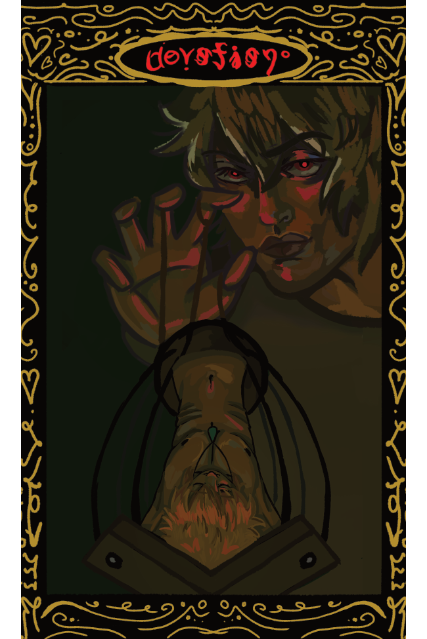
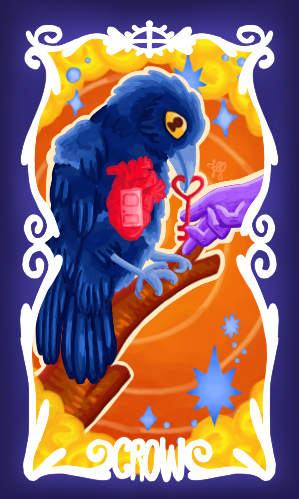
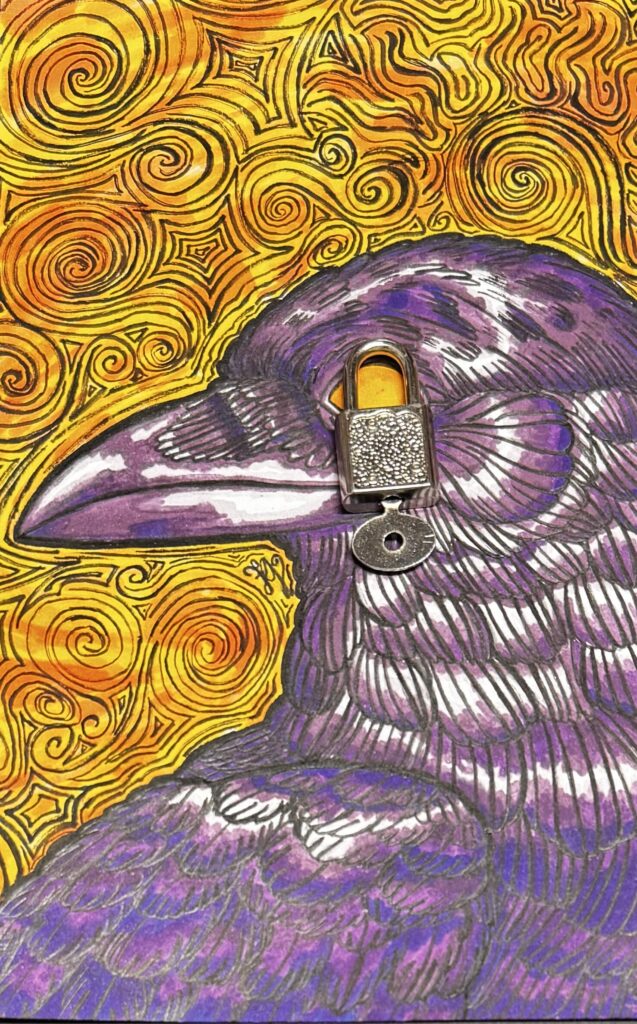
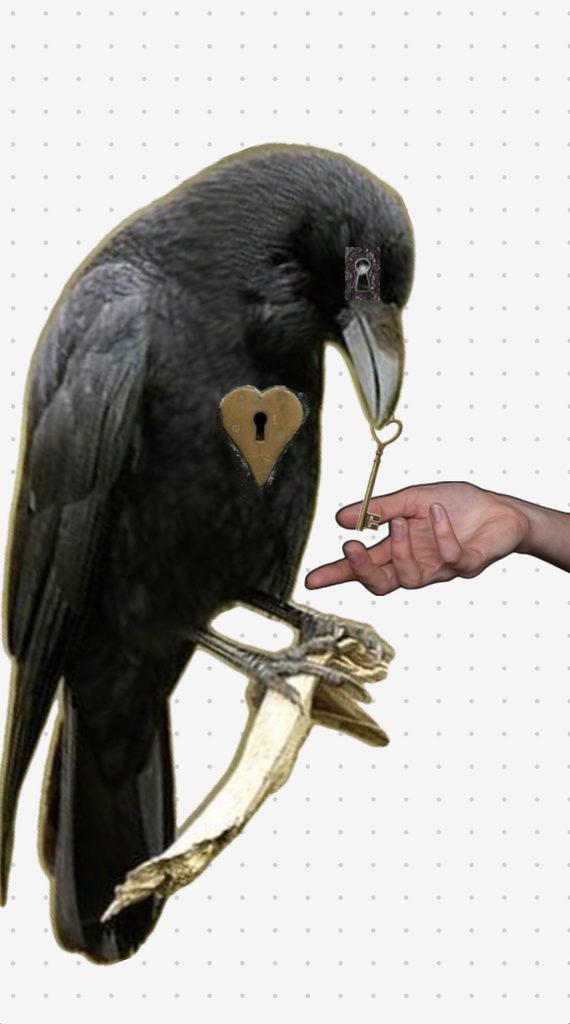
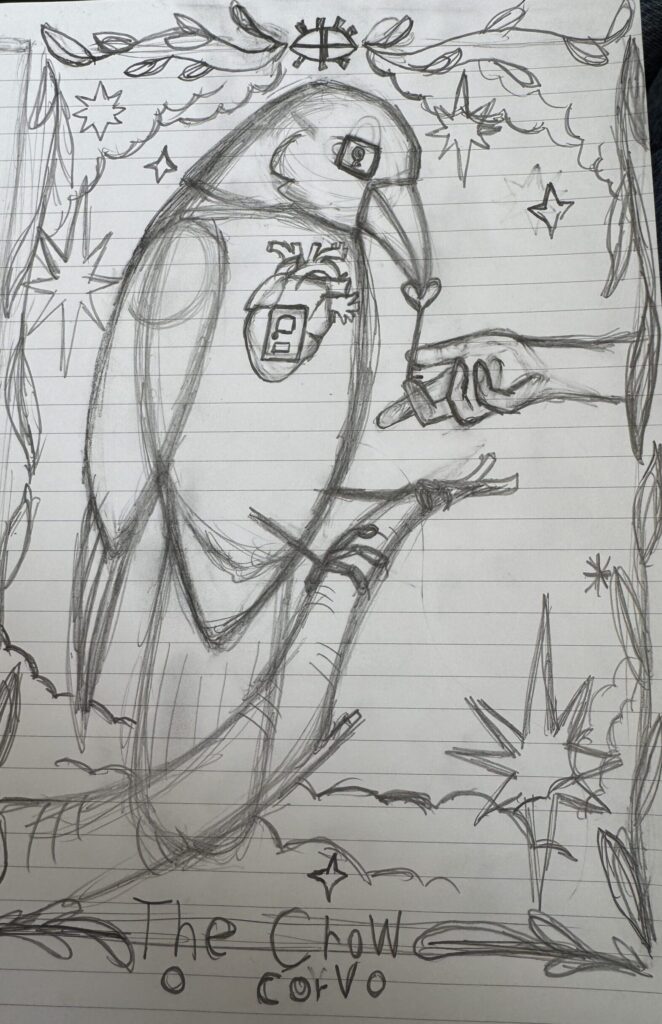
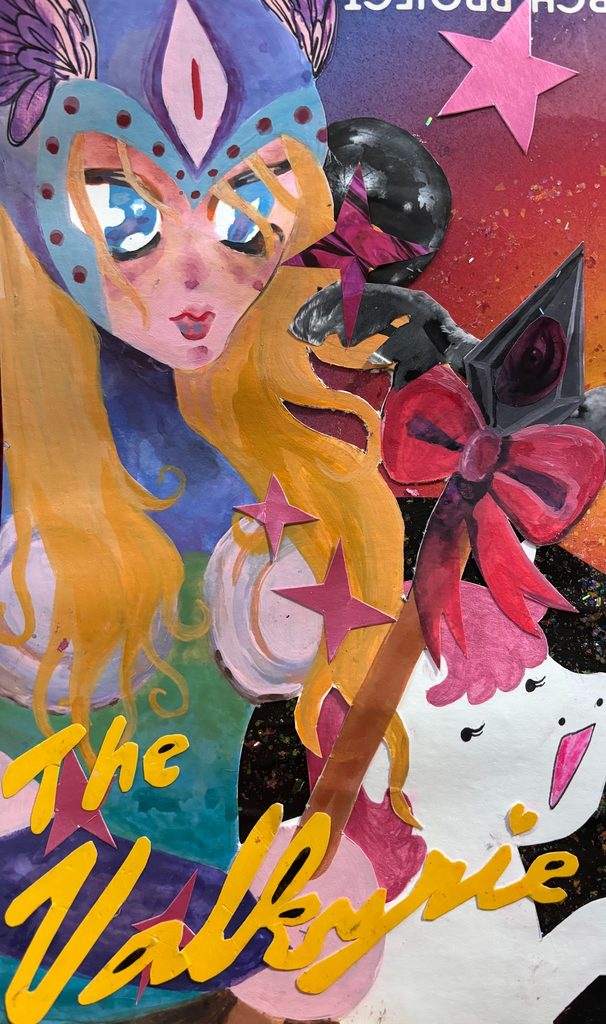
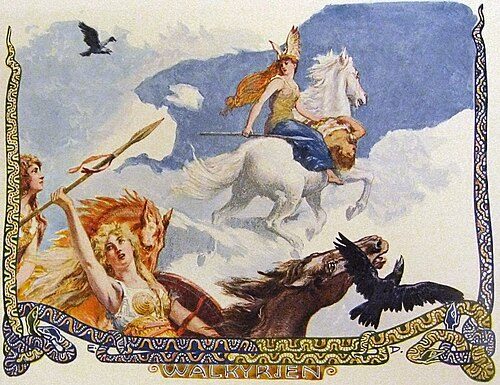
card typically has blocked – not opposite meaning when pulled upside down
I can’t help but think of the ‘fig tree’ from Sylvia Plath’s The Bell Jar, I feel as though when we heard this assignment and the stages of life many of us instantly thought of ourselves. These years are amazing yet so emotional and sosososos stressful, especially in terms of the long run.
The choices of life, are fat purple figs, each grotesquely ripe, juicy and right for the picking. Each fig perfect, each fig a different path. But you mustn’t wait forever to pick, or you – and the fig will begin to rot. And many do not wish for a spoiled fig.
I also wanted to mention the game The Arcana, its a mobile phone game – dating simulator. It is visually gorgeous and the story telling has wholly inspired me. – I will find any reason to mention/talk about it.
1-2 sentences – to describe the card when pulled
When pulled upright Devotion refers to a deep love/passion for something, this is an indication of a period in life where honing in on your work/passion is important and developmental.
When Obsession is pulled (Devotion upside down) this is an indication that something in your life is holding you back, its a form of manipulation. Perhaps you are perfectly aware of what is controlling you, or perhaps you need to do some digging to find out what it is.
The Butterfly reminds us to remain open to change and growth that lead to transformation at this time. Embrace the freedom and exuberance that come from shedding outgrown habits and ways of life.
1. How does hooks link ritual and performance art? What is the significance of the opening paragraph in relation to the main body of the essay?
Hooks refers to ritual as one out of two forms of performances that African-Americans have practiced since plantation/ slavery culture. Performance, taking the form of ritual, is labeled as “art” and “critical intervention”. Thus, performance rituals allow the black community to express themselves, their culture, and challenge white supremacy, unlike performance for survival which is a performance formed from complicity.
The opening paragraph speaks of the large homeless black community in New York and how they are engaged in ritualistic performance acts. The significance of this observation by Hooks is to highlight how accessible performance art is for everyone, stating later in the article that performance “”has not required the material resources demanded by other artforms. The voice as instrument could be used by everyone, in any location”. Thus, performance remains a critical mode of art for the African-American community to allow their voices to be heard as the “spoken word, transformed into a performed act, remains a democratic cultural terrain”.
2. What types of work does hooks include under the umbrella of “performance art”? What do you include in your understanding of performance art?
Bell Hooks includes a variety of works which I wouldn’t have originally considered “performance art” until now. Hooks mentions organized stage shows, poetry reading (such as poetry of the Harlem Renaissance), monologues, rap, plays, and speeches, which she calls “performed words”. These performances can take place in many locations, such as in churches, schools, lecture halls, living rooms, street corners, barbershops, basketball courts, etc.
In my understanding of performance art, I include art which often uses the human body or voice to express a message or idea. I also relate performance art to the quality of the ephemeral or the spontaneous, as it is often unrepeatable and involves the public in unique and unexpected ways.
3. How has social media changed the performance landscape since hooks wrote this essay 30 years ago?
Bell Hooks quotes Peggy Phelan’s Unmarked, who argues performance art has “no-left-overs”, “disappears into memory”, and its “only life is in the present”. Although performance art may often be ephemeral, the dominance of smart phones, especially in Western society, has allowed the temporary to become virtually permanent. Even for the sake of our class, we are required to document our live art rituals as a way to archive our art! Aside from making the ephemeral exist outside of our memories alone, social media has also allowed performance art to reach wider audiences. Similar to how social media has increased globalisation and allowed people from around the world to know what is happening ANYWHERE at ALL times, social media’s reach has the ability to spread performance art and its messages globally, expanding people’s opinions and possibly increasing appreciation for this genre of art itself.
4. Hooks touches on the concept of masking as a performance for survival. What are ways that you perform/have performed, consciously or unconsciously? What are/were the effects?
Coincidently, I have considered the ways in which I perform in society in light of my relatively new ADHD diagnosis. I believe because I was socialized as a woman, I did not get diagnosed earlier in my life because I was pressured into masking my ADHD symptoms. I performed a version of myself who did not have ADHD as to not burden others and increase my appeal to society at large. Although masking my ADHD has resulting in AMAZING coping skills to the point where I do not require medication, I still am quite hurt that no one in my life realized I was struggling. Since my diagnosis, I have let my guard down a little and am trying to normalize some of the symptoms I experience rather than shaming myself.
Oracle Card
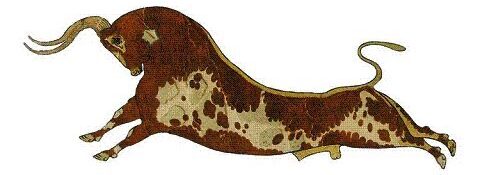
The Skipped Soul
Represents: Uncertainty, Patience, Mindfulness, and the Unknown
The dragon of wisdom is fast asleep and unable, or unwilling, to share knowledge of your future. However, do not fret, when fate lies dormant, moments of mindfulness and opportunities of autonomy are formed.